The yearly audition at Home Depot.
Once a year, in a plain conference room, Home Depot decided what Unimat would sell in its stores the following year. You never know what they’re looking for, so you prepare for everything.
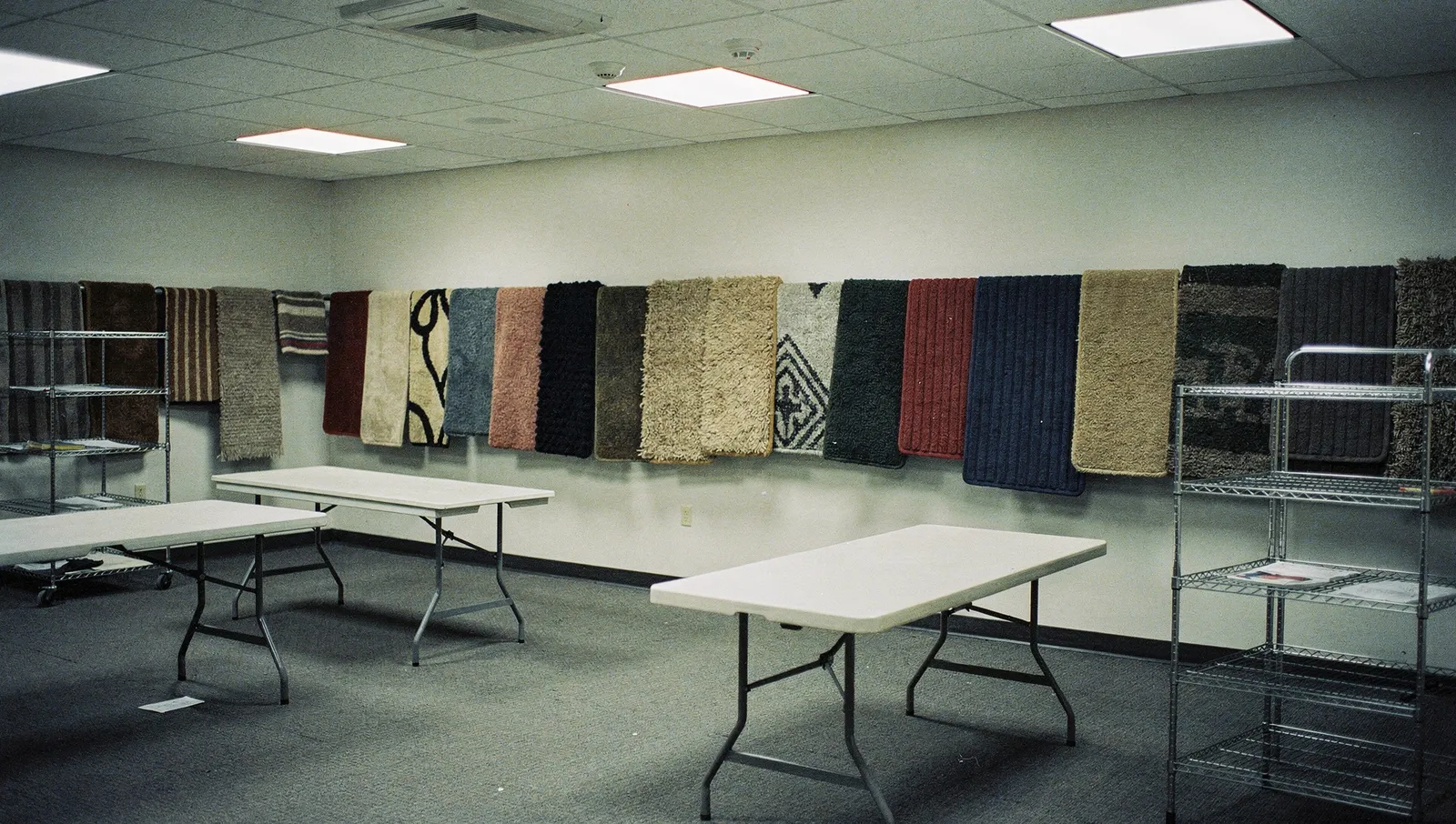 200–300 proposals → 5 to 8 chosen
- Company
- Unimat de México
- Account
- The Home Depot México
- The meeting
- Product Line Review, once a year
- Who presented
- The sales manager and I
- Proposals
- 200 to 300 new designs
- Chosen
- Usually 5 to 8
Not an expo: the sample table
Once a year, Unimat had an appointment that decided much of what it would sell the following year: Home Depot’s Product Line Review. Among suppliers it’s known as the sample table.
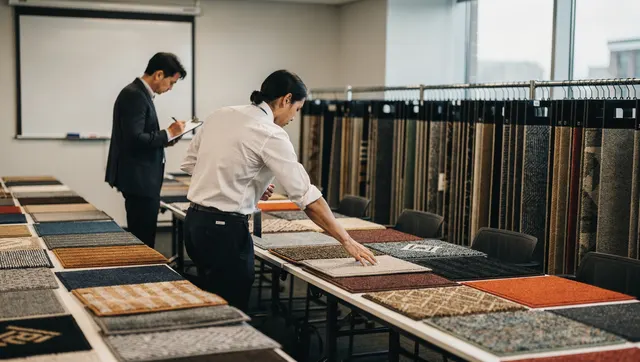
It’s not an expo. It’s a conference room with folding tables and metal racks, no booths and no public. Buyers walk the tables, compare prices and margins, and mark what they want. That’s where they decide what gets sold in their stores next year, and what leaves the aisle. There are no photos: prices and prototypes the chain hasn’t bought yet are on the table.
A multi-million account
For Unimat, Home Depot was worth several million a year. Losing our place in its stores was not an option. And defending that space wasn’t enough: we wanted to grow it.
Solid ground, plus a lot of options
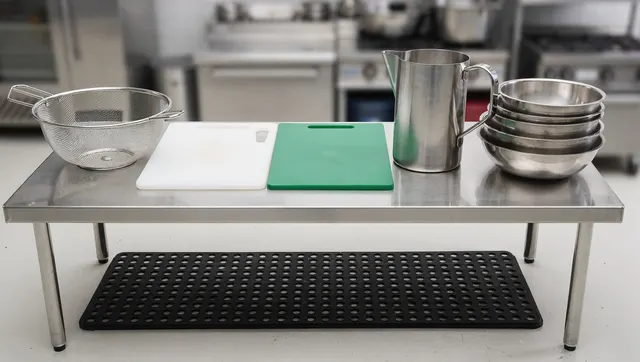
So we moved into categories we sold only there, like a kitchen line for restaurants: chef strainers, commercial-grade cutting boards, thermal pitchers, stainless steel bowls and drainage mats. That line barely changed from one year to the next; only the price was negotiated. The same went for our drainage mats and technical flooring: anti-static, dielectric, and a PVC roll floor that looks like laminate. That was our solid ground.
What did change every year were the designed mats. There, you never know what they’re looking for. So we brought between 200 and 300 proposals: for every season, welcome mats in every shape and material, decorative mats and area rugs.
Hours of review, and a compass
The designs came from the company and from our suppliers’ catalogues. Our CEO, the sales manager and I reviewed them for hours. Our compass was last year’s trends and what we saw in Home Depot stores in other countries. We didn’t copy: we tried to figure out which way their executives would lean.
Each design, presented for what it was
Each design was presented for what it was:
- From a supplier, or a riskier bet: digital.
- Ours, and it already existed: the physical sample.
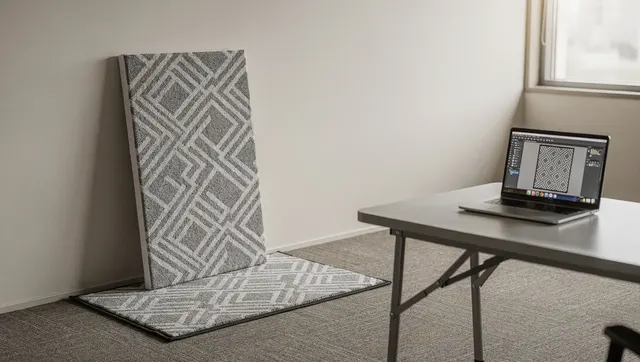
- Ours and new: a photographic recreation, printed on canvas at full size, so it looked like a real mat.
Out of those hundreds, Home Depot usually picked between five and eight. And those few became huge orders the following year.
Sometimes the problem wasn’t the design
Sometimes the problem wasn’t the design, but the price. Our area rugs were very high quality, but Home Depot wanted something similar at half the price. We had to find suppliers in other countries.
What it left me
It was a constant audition, where you don’t know what character they’re casting for their movie. That’s why I learned to prepare everything ahead of time: we started three months before, and sometimes one review ended and we were already preparing the next.
It doesn’t end with the sale. Pricing means finding materials and suppliers, checking quality and consistency, and keeping a steady flow of the product you promised. If a supplier can’t deliver, it gets replaced. Staying in business means staying alert, and always preparing for the toughest scenario.
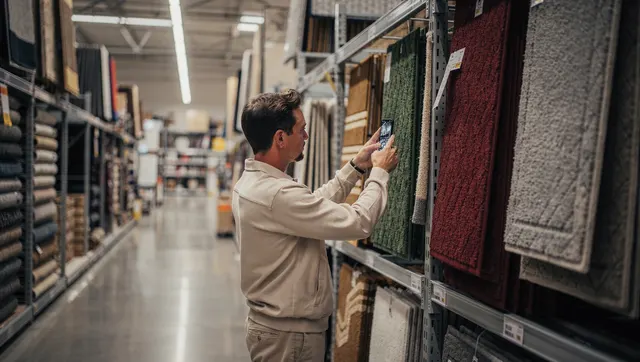
Illustrative images: the review happens behind closed doors and isn’t photographed.


Want to see another case?
All five strategic cases are on the home page, or stop by Dani’s office to talk.